By Adurodija Ebenezer
By Adurodija Ebenezer
Most people never expect to hear the word penectomy in their lifetime. It’s a term that tends to live in medical textbooks, whispered conversations, or the quiet corners of hospital corridors. Yet behind that unfamiliar word are real people, real families, and real decisions that can shape the course of someone’s life.
As a public health educator, I’ve learned that the hardest topics are often the ones we most need to talk about. Penectomy is one of them — not because it is common, but because when it becomes necessary, the stakes are incredibly high.
This is the story of what happens when knowledge, compassion, and timely action come together.
A Diagnosis That Changes Everything
Imagine a man in his late fifties — let’s call him Tunde. He’s a father, a husband, a neighbor who never misses a community meeting. For months he notices a sore on his penis that doesn’t heal. He’s embarrassed, unsure, and hopes it will go away on its own. It doesn’t.
By the time he gathers the courage to see a doctor, the diagnosis is clear: penile cancer. It’s rare, but when it appears, it demands attention. His medical team explains that the cancer has spread deeper than expected. Less invasive treatments won’t be enough.
The word penectomy enters the room.
For Tunde, and for many others in similar situations, the shock is immediate. But so is the reality: this surgery may be the only way to stop the cancer from advancing.
What Penectomy Really Means
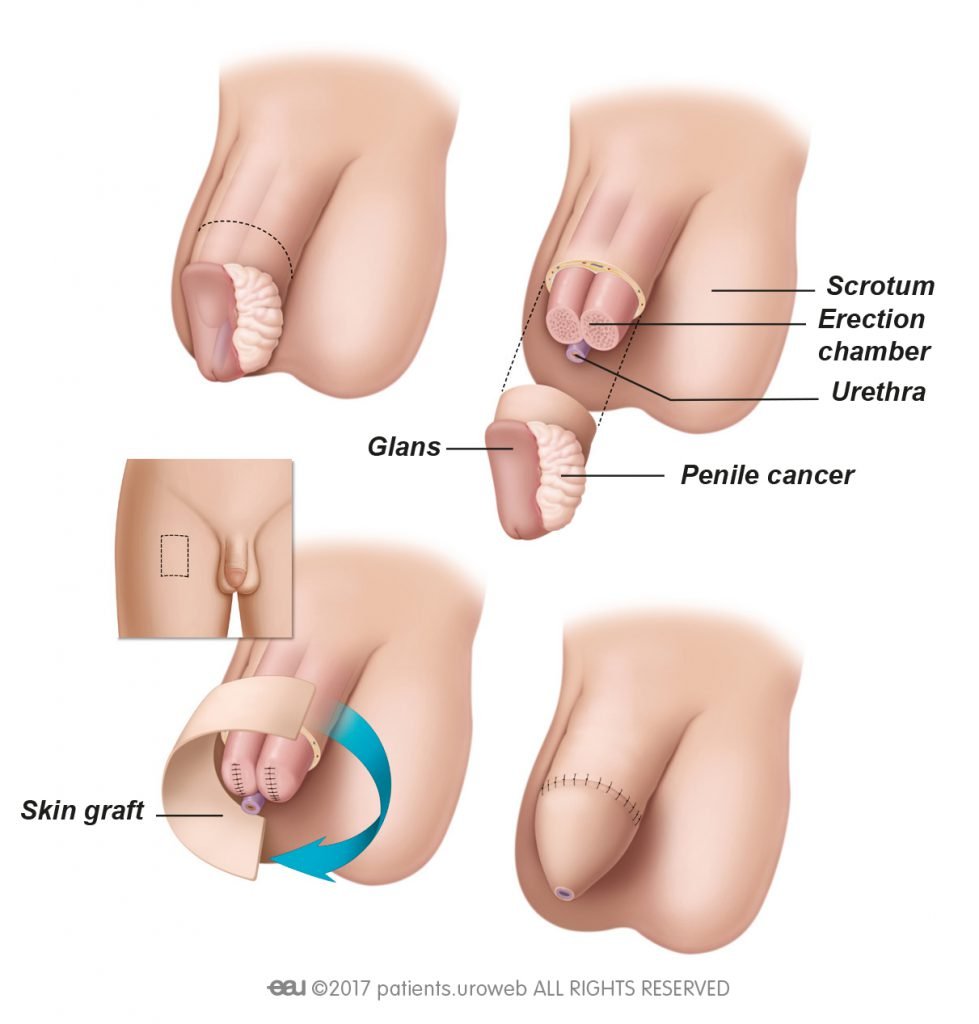
A penectomy is the surgical removal of part or all of the penis. It is not performed lightly. It is reserved for situations where a person’s health — and often their life — is at risk.
There are two main forms:
Partial Penectomy
When only part of the penis is affected, surgeons remove the diseased portion and preserve as much healthy tissue as possible. Many individuals can still urinate standing and may retain some sexual function.
Total Penectomy
When cancer or injury is too extensive, the entire penis must be removed. Surgeons create a new opening, called a perineal urethrostomy, to allow safe urination.
These procedures are not about loss — they are about survival. They are about giving someone the chance to keep living, healing, and rebuilding.
The Human Side of Recovery
After surgery, the medical journey continues, but so does the emotional one.
Patients like Tunde often face questions about identity, masculinity, and the future. This is where holistic care becomes essential. Recovery involves:
- Wound care and follow‑up visits
- Rehabilitation to adapt to changes in urination
- Emotional support, which can be just as important as physical healing
- Reconstructive options, such as phalloplasty, for those who choose it
Modern healthcare teams understand that healing is not just about the body. It’s about dignity, confidence, and the reassurance that life can still be full and meaningful.
Why Public Awareness Matters
Penile cancer is rare, but delayed treatment can be dangerous. Many people hesitate to seek help because of embarrassment or fear. That hesitation can cost precious time.
When communities understand what penectomy is — and why it is sometimes necessary — several things happen:
- Stigma decreases
- People seek medical evaluation earlier
- Families know how to support loved ones
- Conversations about men’s health become more open and compassionate
Knowledge doesn’t just inform. It protects.
A Path Forward
Tunde’s story doesn’t end with his surgery. It continues with follow‑up care, support from his family, and a renewed commitment to his health. He speaks openly now, not because the experience was easy, but because he knows silence helps no one.
Penectomy may be a difficult topic, but it is also a reminder of the power of early detection, the importance of honest conversations, and the strength people find when they are supported with empathy and accurate information.
As public health educators, our role is simple: bring light to the places where fear and misunderstanding thrive. When we do, we give people the tools they need to face even the hardest diagnoses with clarity and courage.