By Ebenezer Adurodija
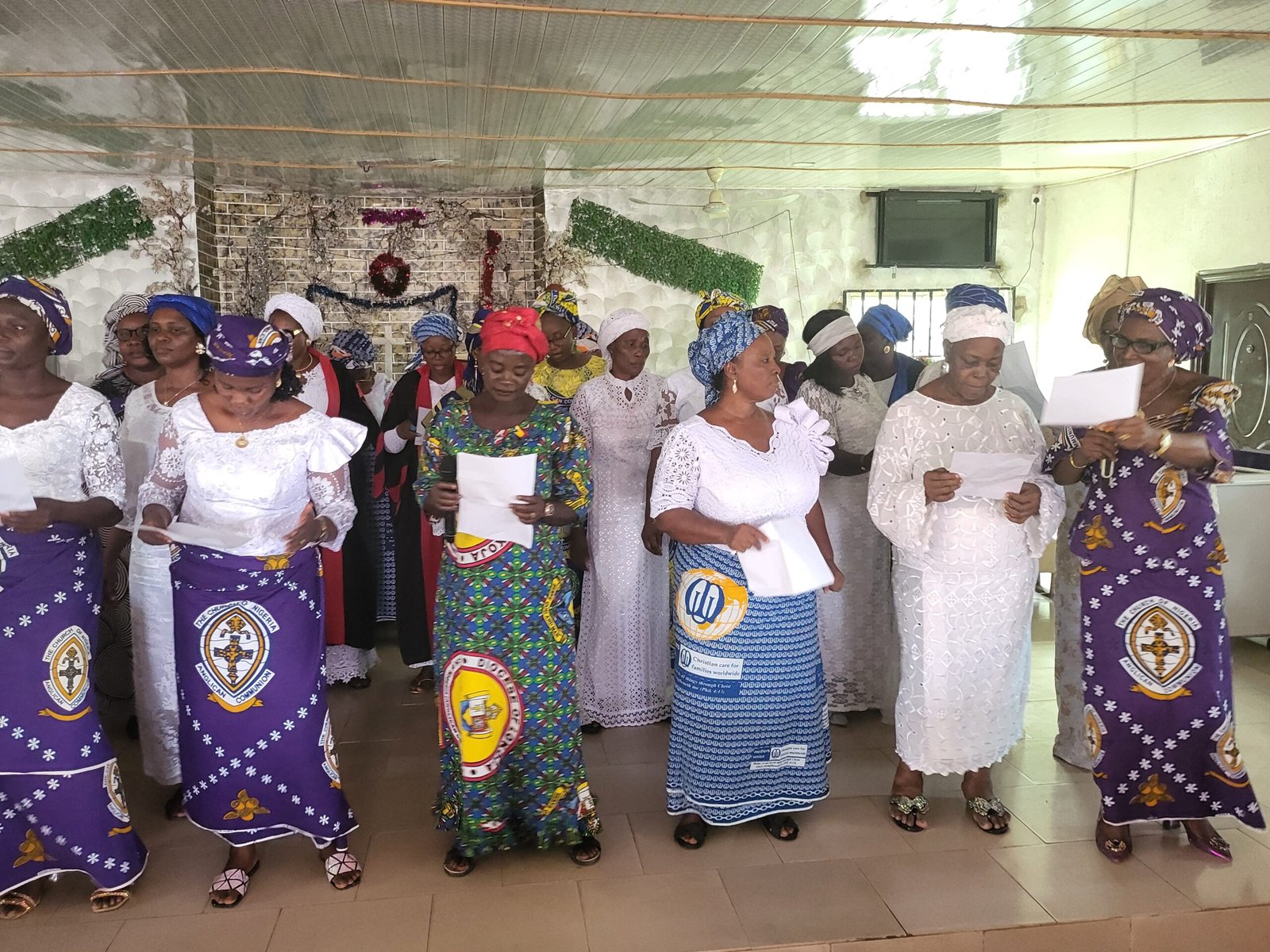
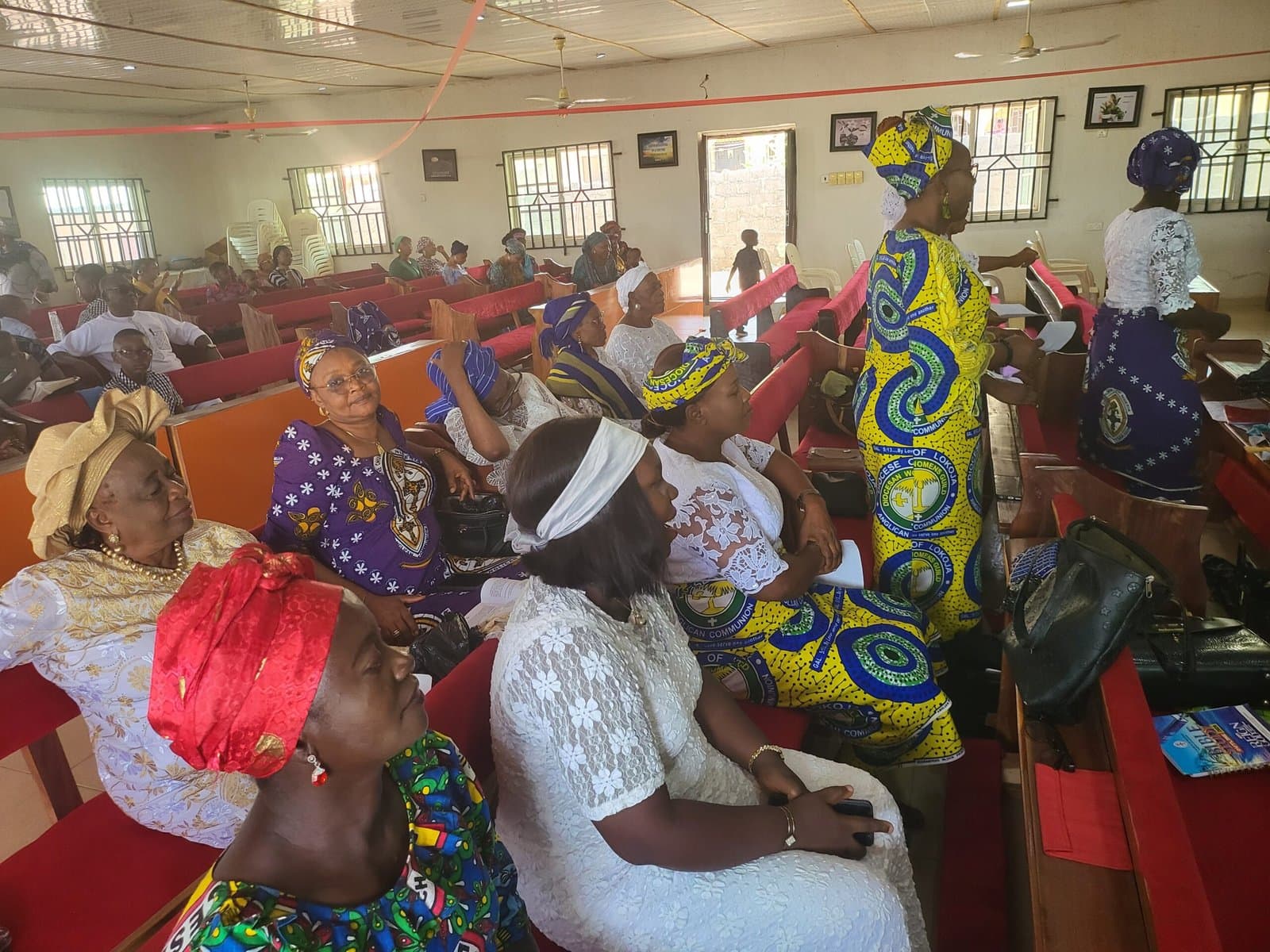
Mothering Sunday is traditionally a day of flowers, hymns, and heartfelt tributes — a moment when families pause to honour the women who nurture homes and hold communities together. But across Nigeria, this celebration stands in stark contrast to a quieter reality: many of the women being celebrated today are also living with fear, silence, or trauma.
Gender‑based violence (GBV) remains one of the country’s most persistent crises. It cuts across age, class, religion, and geography. And while the nation gathers in churches to appreciate mothers, daughters, and caregivers, countless women continue to endure violence behind closed doors.
A Celebration Overshadowed by a Crisis
GBV rarely begins with a dramatic incident. It often starts with subtle control — a raised voice, a forced decision, a threat disguised as love. Over time, these small acts grow into patterns of physical, emotional, sexual, or economic abuse.
For many survivors, the danger comes from the very people who should offer protection: partners, relatives, teachers, employers, or respected community figures. The home — the centre of Mothering Sunday celebrations — is, for some, the most unsafe place of all.
Surveys consistently show that millions of Nigerian women have experienced intimate partner violence. Yet only a fraction report it, held back by stigma, fear of retaliation, or cultural pressure to “keep family matters private.”
Behind these statistics are real women with real stories.
THE WOMEN BEHIND THE NUMBERS
Amina: “Someone finally asked if I was okay.”
Amina entered university with dreams of independence. Instead, she found herself in a relationship that slowly erased her confidence. The control began with comments about her friends and clothes, then escalated into isolation.
Her turning point came when a lecturer noticed her withdrawal and asked a simple question: “Are you alright?” That moment opened the door to counselling and support. Today, Amina volunteers with a youth organisation, helping young women recognise early signs of abuse.
On Mothering Sunday, she honours the women who helped her reclaim her voice — her mother, her aunties, and the mentors who refused to let her disappear.
Chidinma: “I left so my daughter wouldn’t learn fear.”
Growing up, Chidinma watched her mother endure emotional and financial control. She vowed never to repeat that cycle. But marriage brought her into the same patterns — constant apologies, shrinking dreams, and silent tears.
Everything changed when her six‑year‑old daughter asked, “Mummy, why are you always sad?”
With support from a women’s shelter, she left the marriage. Today, she celebrates Mothering Sunday with pride, knowing she is raising her daughter in a home where love is not mixed with fear.
Kemi: “Silence protects perpetrators, not survivors.”
Kemi trusted a family friend who violated that trust. She feared no one would believe her because he was respected in the community. Months passed before a friend noticed her sudden quietness and encouraged her to talk.
Through counselling and survivor networks, she began to heal. Mothering Sunday reminds her of the women who stood by her — her mother, her sisters, and the survivor community that became her second family.
Ruth: “We became mothers to one another.”
Ruth fled her village after a violent attack and found herself in an IDP camp caring for her younger siblings. Life in the camp was harsh, and she faced harassment from those who exploited the chaos.
A women’s support circle became her lifeline. There, she learned about her rights, trauma healing, and self‑protection. Today, she works as a peer educator in the same camp.
On Mothering Sunday, she honours the displaced women who shared food, comfort, and hope — becoming mothers to one another in the hardest of times.
WHY THE VIOLENCE CONTINUES
Experts point to several factors driving GBV across Nigeria:
– deeply rooted gender norms that place men in unquestioned authority
– economic dependence that traps survivors in abusive relationships
– weak law enforcement and slow justice systems
– cultural practices that silence victims
– poverty, conflict, and displacement
– digital harassment and exploitation
Mothering Sunday celebrates women’s sacrifices, yet society often ignores the systems that make those sacrifices painful.
THE COST OF SILENCE
GBV leaves more than physical injuries. Survivors often struggle with depression, anxiety, shame, and loss of self‑worth. Children who witness violence grow up with distorted ideas of love and power.
Economists estimate that countries lose billions annually due to healthcare costs, lost income, and reduced productivity linked to GBV. But the emotional cost — the broken dreams, the lost confidence — cannot be measured.
Mothering Sunday becomes a reminder of what women truly deserve: safety, dignity, and peace.
LAWS EXIST — BUT IMPLEMENTATION LAGS
Nigeria has made progress with laws such as the Violence Against Persons Prohibition (VAPP) Act and the Child Rights Act. But implementation remains uneven. Survivors face long delays, insensitive investigations, or pressure to settle cases privately.
Across Sub‑Saharan Africa, similar gaps exist. Laws exist on paper, but culture and weak institutions undermine them.
A GROWING MOVEMENT FOR CHANGE
Despite the challenges, activism is rising. Women’s rights groups, youth movements, religious leaders, and NGOs are pushing for accountability and survivor‑centred support. Social media campaigns like #SayNoToRape and #JusticeForOchanya have forced national conversations.
Promising strategies include:
– community education that challenges harmful norms
– economic empowerment for women
– shelters and hotlines
– school programmes teaching consent and respect
– training for police and healthcare workers
– digital tools for reporting abuse
Mothering Sunday offers a moment for communities to reflect on how they treat women — not just today, but every day.
TOWARDS A FUTURE WHERE MOTHERING SUNDAY MEANS SAFETY
Ending GBV is not only about punishing perpetrators. It is about building a society where women can walk freely, speak boldly, love safely, and dream without fear. It is about raising boys who understand respect, and girls who know their worth.
Mothering Sunday celebrates the women who nurture, guide, and sacrifice. But the truest honour comes when society protects them — not just with flowers and songs, but with justice, safety, and equality.