By Ebenezer Adurodija
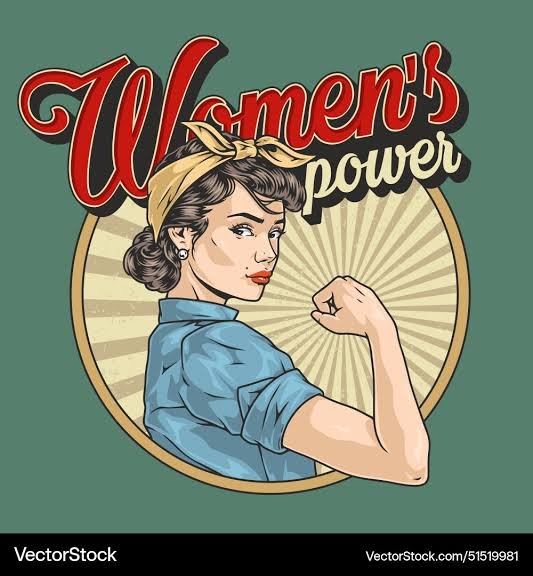
The phrase “weaker sex” has survived centuries of repetition, but it collapses the moment you hold it up to reality. Science, history, and everyday life all point to a different conclusion: women are not weaker—they’re powerful in ways society has been slow to recognize.
Strength Isn’t Just Muscle
Yes, men generally have more upper‑body strength. But if strength is measured by endurance, resilience, and survival, women take the lead.
Women live longer. They recover faster. Their immune systems fight harder. And the physical demands of pregnancy and childbirth reveal a level of biological toughness that brute force can’t match.
If anything, the traditional definition of strength has been too narrow to capture the full picture.
The Psychological Advantage
In a world where communication and emotional intelligence drive progress, women often hold the edge. Empathy, collaboration, and conflict resolution aren’t “soft skills”—they’re leadership essentials.
And in boardrooms, classrooms, and communities, these abilities shape outcomes just as decisively as any show of force.
Power That’s Been Hiding in Plain Sight
Even when barred from formal authority, women have quietly powered societies.
Across African markets, women run the trade networks that keep local economies alive. In homes, they are the stabilizers—managing crises, shaping values, and holding families together.
This is influence that rarely makes headlines but keeps entire systems functioning.
Visibility Is New. Strength Isn’t.
Today, women are leading companies, writing laws, and driving movements. Their rise isn’t a sudden revolution—it’s the unveiling of strength that has always been there, now impossible to ignore.
The Quiet Strength That Outlasts Everything
Female power often shows up in ways that don’t shout: persistence, emotional labor, the ability to rebuild after setbacks. It’s subtle, steady, and incredibly effective.
Quiet doesn’t mean weak. Quiet often means unstoppable.
Time to Retire an Outdated Myth
Calling women the “weaker sex” isn’t just wrong—it’s lazy. Strength is more than muscle. It’s endurance, intelligence, empathy, and influence. And women have demonstrated all of these across generations.
If society wants real progress, it must stop ranking strengths and start recognizing how they complement each other.
The Bottom Line
Women aren’t weaker. They never were. Their power has simply been underestimated, undervalued, and too often ignored. A more honest narrative doesn’t just honor women—it strengthens society as a whole.