By Ebenezer Adurodija
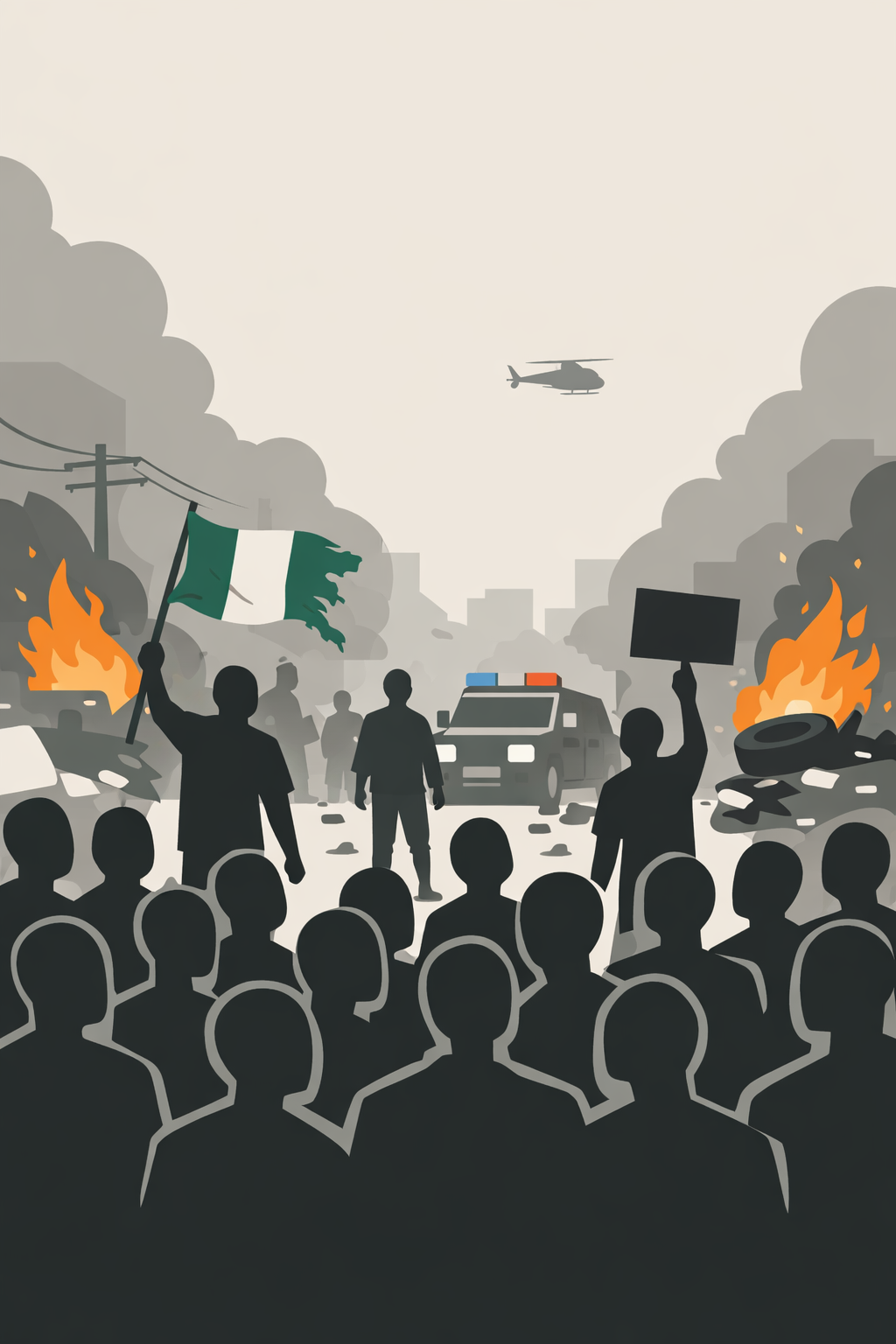
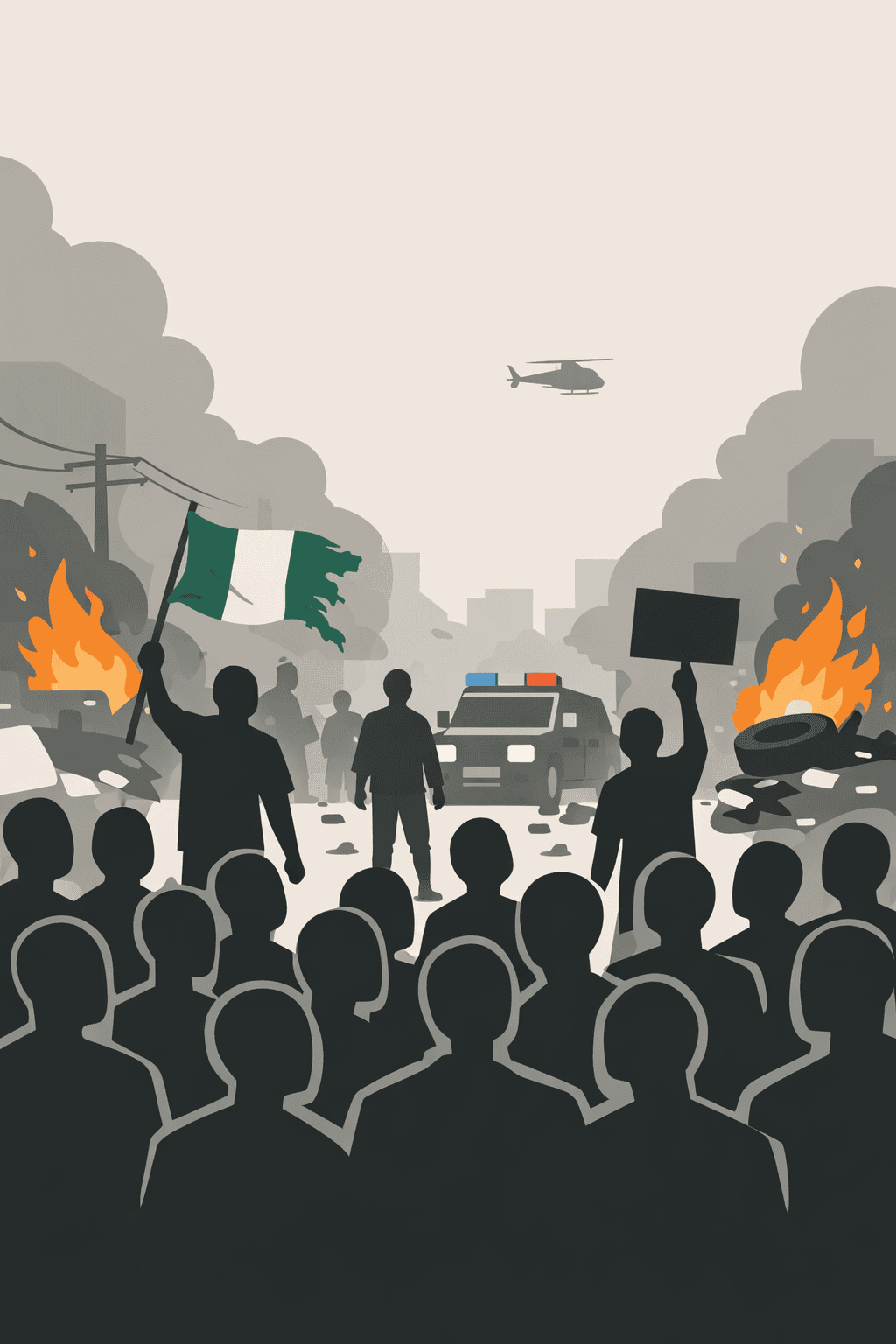
Nigeria is fighting a war it has never formally declared. It is a conflict without borders, uniforms, or ceasefires — a conflict waged on highways where travellers vanish, on farmlands where food producers are attacked, in schools where children and teachers are abducted, and in communities where dawn breaks to the sound of gunfire. Across the country, ordinary citizens now risk their lives simply by trying to live them.
For decades, the phrase “dying for one’s country” evoked images of soldiers who knowingly stepped into danger to defend the nation. Today, that sacrifice has expanded far beyond the military. Nigerians who never enlisted in any armed force are paying the ultimate price for nothing more than being citizens of their own country.
From the insurgency‑scarred North‑East to the bandit‑ravaged North‑West, from the conflict‑torn Middle Belt to the tense South‑East and South‑South, insecurity has become a national condition. Violence no longer respects geography. What was once a regional crisis has hardened into a nationwide reality.
Behind every statistic lies a human tragedy: a father who left for the farm and never returned; a mother who boarded a bus and disappeared; a teacher who believed in the power of education but became a victim of terror; a young graduate whose dreams ended on an unsafe road; a soldier who answered the call to defend the nation and paid with his life. These are not numbers — they are families shattered, futures stolen, and communities traumatized.
Yet Nigerians continue to rise each morning with remarkable resilience. Markets open. Schools resume. Farmers return to their fields. Entrepreneurs take risks. Doctors report for duty. Journalists tell difficult truths. Public servants keep the machinery of the state running. In countless quiet ways, Nigerians refuse to surrender.
But resilience must never become a justification for complacency. The endurance of citizens does not absolve leaders of their responsibility to provide security and good governance. A nation does not thrive because its people can survive hardship; it thrives when it ensures they no longer have to.
Patriotism is often measured by what citizens sacrifice for their country. But true patriotism must also be measured by what a country is willing to do for its citizens. The social contract demands security, justice, and opportunity. When insecurity becomes normal, the foundation of nationhood begins to crack.
Nigeria’s security crisis is not merely a policing problem — it is a test of national resolve. It requires better intelligence, stronger law enforcement, modern equipment, community participation, judicial reform, economic opportunities for young people, and leadership that is accountable and courageous. It also demands unity across ethnic, religious, and political lines, because violence does not discriminate. Every life lost diminishes the nation.
Institutions — the media, civil society, religious bodies, traditional rulers, and schools — must champion peace, dialogue, and responsible citizenship. Families must teach values that reject violence. Communities must refuse to shield criminals. Every Nigerian has a stake in building a safer country.
We must also honour those who have paid the ultimate price. Security personnel deserve not only gratitude but adequate welfare for their families. Victims of terrorism, banditry, and communal violence deserve justice, support, and remembrance. A nation that forgets its victims risks repeating its tragedies.
Yet even amid pain, hope remains Nigeria’s most powerful resource. Our diversity, creativity, youthful energy, and cultural richness offer immense potential. Across the country, countless citizens work daily for peace, progress, and unity. They prove that the Nigerian spirit is stronger than fear.
Nigeria was never meant to be a place where stepping outside one’s home feels like a gamble with fate. It was meant to be a land where hard work is rewarded, justice is accessible, and every child can dream without fear.
The highest form of patriotism should not be dying for Nigeria. It should be living in a Nigeria that protects every life, values every citizen, and gives every generation a reason to believe in tomorrow.
Until that vision becomes reality, every life lost will remain a painful reminder that the true measure of a nation is not the sacrifices its people make, but the commitment it shows to ensuring those sacrifices are no longer necessary. Only then will Nigeria become not just a country worth dying for — but a country truly worth living for.