By Ebenezer Adurodija
Every dawn in Nigeria begins with a quiet ritual. Before the sun stretches across the rooftops, before engines warm and school uniforms are straightened, millions whisper the same fragile prayer: Let me return home. Not richer. Not luckier. Just alive, untouched, unclaimed by the darkness that has learned to walk in daylight.
Kidnapping has become an unseen shadow trailing behind ordinary life — slipping into buses, following farmers into their fields, riding shotgun with travelers on endless highways. It is the ghost at the marketplace, the uninvited guest at worship centers, the silent watcher on village footpaths.
Fear now has a sound:
A phone ringing after midnight.
A child arriving home ten minutes late.
A loved one’s number flashing repeatedly without answer.
In many homes, panic blooms faster than hope. Parents pace. Travelers share live locations like lifelines. Communities form vigilante circles, their flashlights slicing through the night like small, stubborn swords. What was once an exception has become a rhythm — a way of breathing, a way of surviving.
The psychological toll is a storm with no season. Children grow up believing the world is a place where danger hides behind every tree. Businesses fold not because of profit loss, but because courage has become too expensive. Fertile farmlands lie abandoned, swallowed by weeds and worry. Teachers, health workers, journalists, and religious leaders carry out their duties with one eye on the door, one ear tuned to the possibility of chaos.
And the tragedy does not end with the abducted.
Families sell land that held their ancestors’ stories.
They empty savings meant for weddings, for school fees, for dreams.
Some never recover.
Some never sleep the same way again.
Entire communities become prisoners without chains — held captive by what might happen.
Yet, in this landscape of fear, Nigerians continue to astonish the world with their resilience. Markets still hum at sunrise. Children still chase footballs and futures. Farmers still coax life from the soil. Entrepreneurs still dare to imagine tomorrow. Security agents risk everything to rescue strangers. Neighbors become family in moments of crisis.
But resilience is not surrender.
It is not acceptance.
It is simply survival wearing a brave face.
A nation cannot flourish when its people live with their shoulders permanently raised. Security is not a luxury; it is a birthright. Governments must strengthen intelligence networks, empower security forces, secure rural roads, and ensure that kidnappers face justice swiftly and unmistakably.
Citizens, too, carry a piece of the solution — staying vigilant, sharing credible information, supporting community policing, and refusing to collaborate with those who profit from fear.
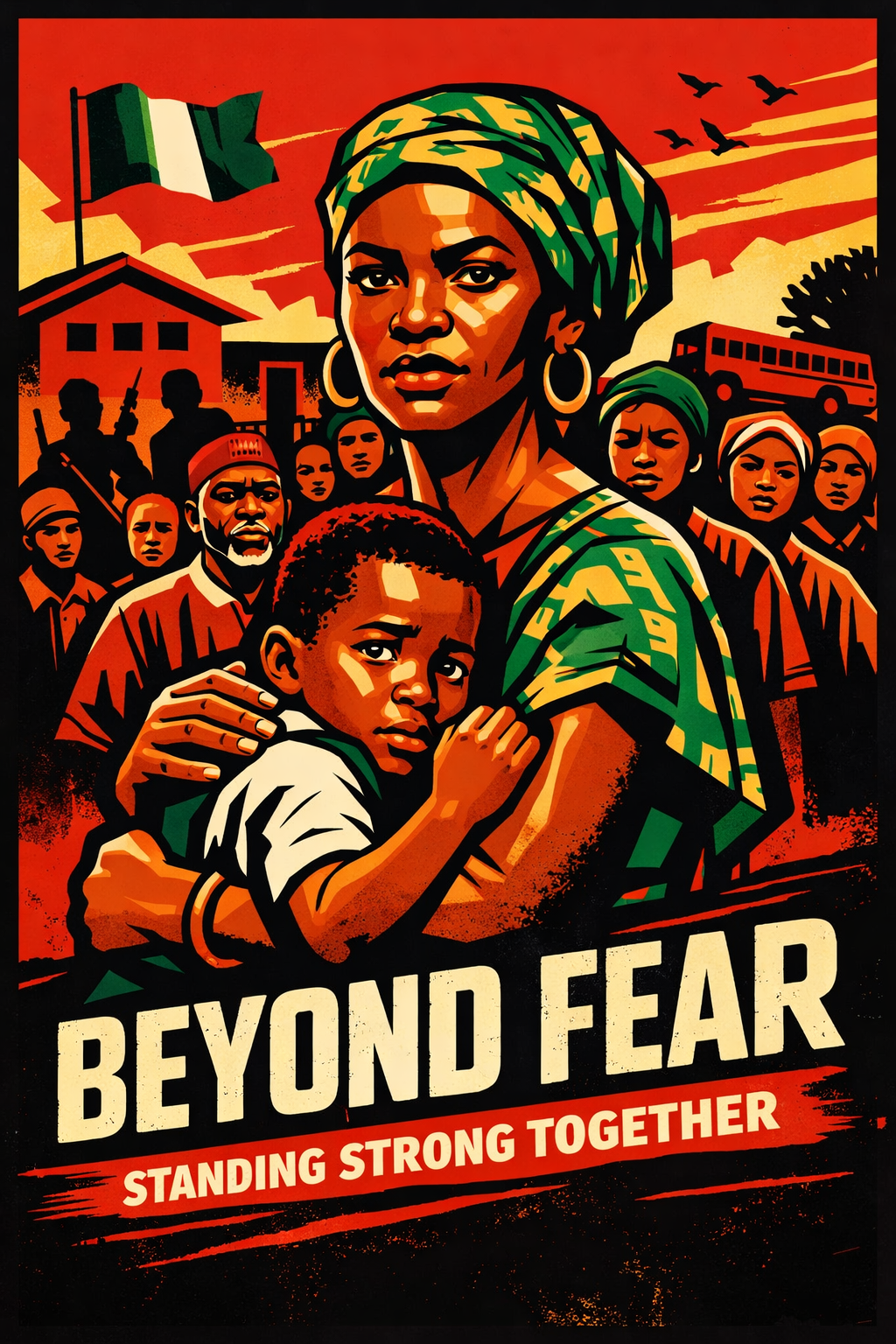
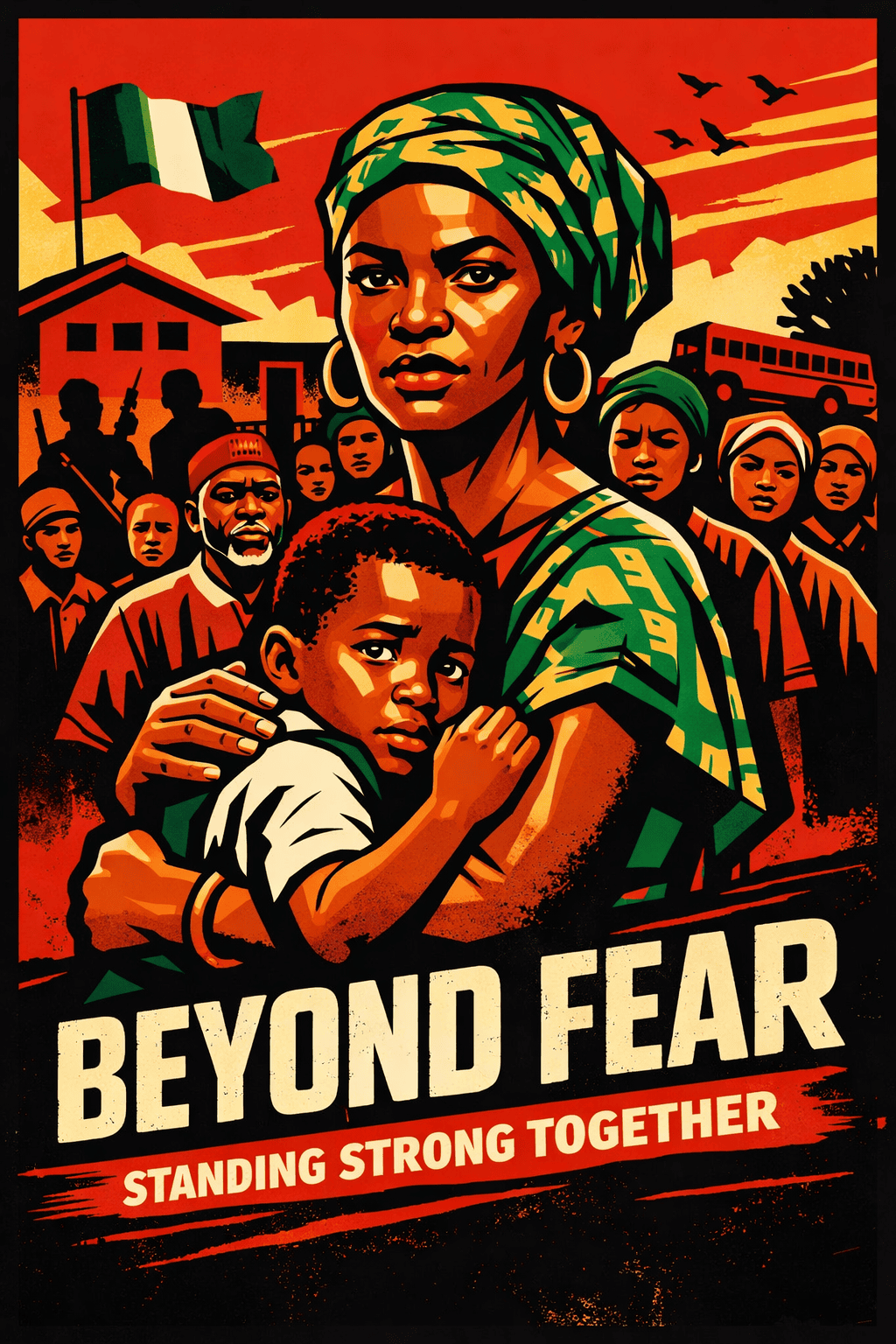
Beyond fear lies a different Nigeria — one where children travel to school with laughter instead of anxiety, where farmers return to their fields with confidence, where travelers glide along highways without dread, where late-night phone calls bring news, not nightmares.
The Nigerian story is not merely one of terror. It is a story of courage, of endurance, of a people who refuse to be defined by criminals. It is a story of hope that keeps rising, even when the night is long.
Every rescued victim, every secured village, every successful prosecution, every act of unity — each one is a step toward reclaiming not just land, but peace of mind.
Beyond fear is hope.
Beyond hope is action.
Beyond action is the safer Nigeria every one want.