By Ebenezer Adurodija
The reported death of former Director of Defence Information, Major General Rabe Abubakar (retd.), while in the custody of bandits is not merely the loss of a distinguished officer. It is a stark and painful reminder of the deepening insecurity that continues to endanger Nigerians, irrespective of status, profession, or contribution to national service.
For decades, Major General Abubakar served the nation with honour and professionalism. As Director of Defence Information, he played a central role in communicating the sacrifices and achievements of the armed forces. That a man of his stature reportedly spent his final moments in the hands of criminals raises urgent questions about the state of national security and the level of protection available to ordinary citizens.
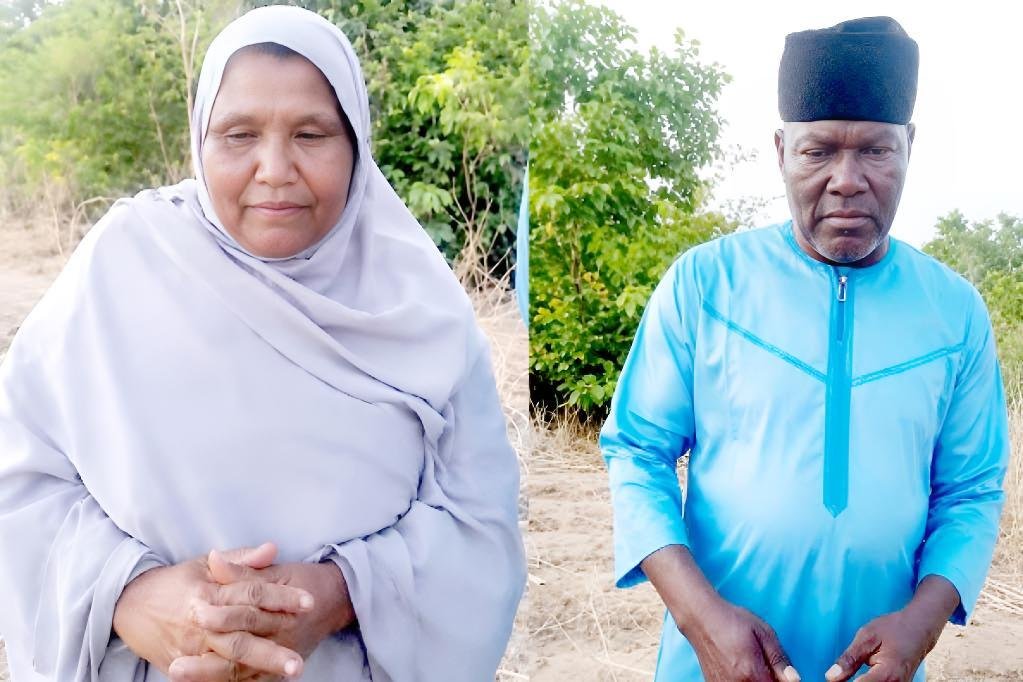
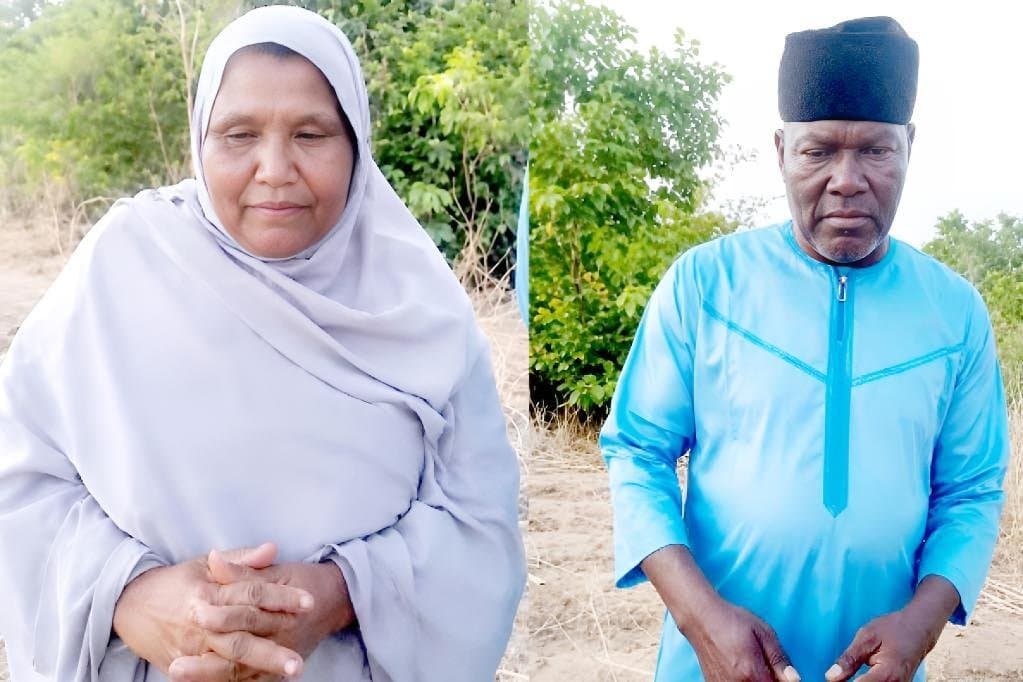
Equally distressing is the report that while the retired general is dead, his wife remains in captivity. As the nation mourns a man who devoted his life to its defence, his family continues to endure the torment of uncertainty. Their suffering mirrors that of countless Nigerian families whose lives have been upended by the persistent scourge of kidnapping.
The circumstances surrounding the release of the late general’s remains further compound public concern. If kidnappers were able to transport and abandon his body without interception, it underscores the alarming confidence with which criminal groups operate. How were they able to move freely? Were opportunities missed to track them or rescue those still held? These are legitimate questions that require clear, transparent answers from the relevant authorities—not to assign blame prematurely, but to strengthen public trust and improve future rescue operations.
Every Nigerian life is valuable. Yet the death of a retired general in captivity carries symbolic weight. It demonstrates that insecurity has become so pervasive that neither rank, experience, nor years of national service guarantee safety. If a senior military veteran is vulnerable, the fears of farmers, traders, teachers, students, and rural communities become even more understandable.
This tragedy must not fade into the cycle of fleeting headlines. It should serve as a catalyst for renewed commitment by government, security agencies, traditional institutions, and communities to confront banditry and kidnapping with greater urgency—through enhanced intelligence gathering, improved technology, and coordinated operations that prioritize prevention and the safe rescue of victims.
The nation owes a debt of gratitude to Major General Rabe Abubakar. His service should be honoured not only through tributes but through a collective resolve to build a safer Nigeria worthy of the sacrifices made by its soldiers.
As the Defence Headquarters mourns one of its own, the entire country shares in that grief. The tragedy is not only that a retired general reportedly died in captivity, but that his wife remains unfree and thousands of other Nigerians continue to endure similar ordeals, often without national attention.
The most meaningful tribute to the late general would be the safe rescue of his wife and all others in captivity, the arrest and prosecution of those responsible, and a renewed national determination to defeat the forces of violence and restore hope, security, and confidence across the country.