By Adurodija Ebenezer 
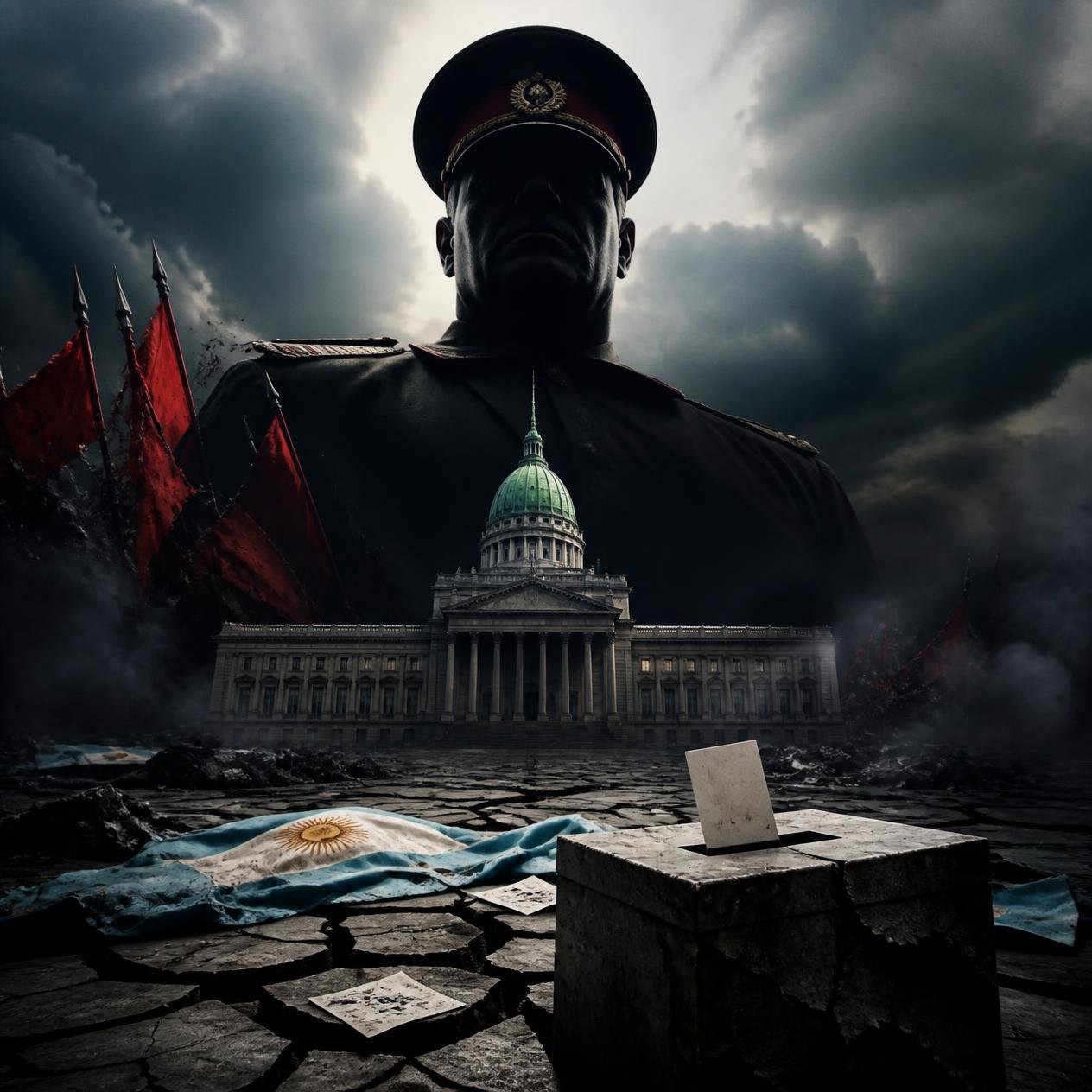
Nigeria does not need a tyrant. What it needs is the courage, discipline, and decisiveness often associated with dictators—without the repression.
Mention dictatorship and the images come quickly: military boots, decrees, detention without trial, censorship, banned parties, frightened journalists, and citizens whispering instead of speaking. Yet beneath Nigeria’s democratic surface lies an uncomfortable question: what if Nigerians are not craving dictatorship, but decisive government?
Our problem is not a shortage of laws, policies, or reports. It is a shortage of political will, institutional discipline, and consequences. Nigeria has perfected the art of holding endless meetings about problems everyone already knows how to solve.
Democracy with a Strong Hand
There is a contradiction in the Nigerian political psyche. We want elections, freedom of speech, constitutional rights, and the ability to criticise government. But we also want someone at the top who will occasionally slam his fist on the table and say: “Enough. Get to work.”
We want civil servants disciplined for lateness. Contractors pursued for abandoned projects. Corrupt officials punished. Hospitals functioning. Schools working. Security guaranteed. Electricity supplied. Public resources treated as public trust, not inheritance. In short, Nigerians want democracy—but with teeth.
Why Nigerians Miss the Military Man
Some Nigerians privately claim the country was “better” under military rule. They are not necessarily nostalgic for soldiers, but for speed. Orders were orders. Punctuality mattered. Institutions functioned. Decisions carried urgency. Officials could be removed. Government appeared to move.
But military rule was no paradise. It produced abuses, restricted freedoms, and weakened institutions. What Nigerians miss is not the uniform, but discipline without brutality, decisiveness without repression, authority without impunity. The challenge is whether democracy can provide the first three without reproducing the last.
Comfortable with Failure
Nigeria has developed an extraordinary ability to explain failure. A project is abandoned? A committee is formed. Revenue falls? There is an explanation. An agency collapses? Another task force is inaugurated. Money mismanaged? An investigation begins—and often drags until the administration leaves office.
Failure has become normal. And once failure is normal, anyone who imposes discipline risks being seen as a tyrant. This culture rewards caution over courage, indecision over reform.
The Real Problem
Nigeria’s problem is not too much freedom. It is a democracy where nobody is responsible for failure. Every collapse has an excuse: budget constraints, labour issues, witch-hunts, propaganda. Accountability becomes musical chairs. Everyone is responsible for something, but nobody for the outcome. That is not healthy democracy.
Too Many Powerful People
Nigeria suffers from the powerful man syndrome. He makes a call, knows the governor, finances the party, has friends in security agencies. Rules bend around him. Institutions weaken. Democracy becomes theatre. The real test of leadership is not punishing ordinary citizens, but holding powerful offenders accountable—billionaires, godfathers, ministers, relatives. Strength is saying: “You broke the law. Face the consequences.”
The Dictator Against Impunity
If Nigerians insist on the word “dictator,” let us redefine it. Nigeria needs dictators against corruption, abandoned projects, absenteeism, inflated contracts, ghost workers, malpractice, laziness, interference, insecurity, and impunity. But government must never be dictatorial toward citizens. Ruthless against wrongdoing, restrained in power—that is the balance.
Leadership Means Saying No
The most important word missing from Nigerian governance is “No.” No to waste, interference, corruption, nepotism, mediocrity, abandoned projects, inflated procurement, contempt for citizens, and impunity. A leader who cannot say no is not kind—he is weak. Leadership is not a popularity contest. Public office exists to serve the public interest, not to please contractors or godfathers.
Strong Democrat vs Dictator
The dictator says: “I am the state.” The strong democrat insists: “The law is the state.” The dictator destroys institutions that challenge him. The strong democrat strengthens institutions that challenge everyone—including himself. The dictator fears criticism. The strong democrat tolerates it but does not surrender. The dictator uses government to protect himself. The strong democrat uses government to protect citizens. This distinction is everything.
The Danger of the Iron Hand
The argument that Nigeria is too chaotic for liberal democracy must be resisted. Extraordinary powers used against criminals today may be used against opponents tomorrow, journalists the next day, and citizens thereafter. Authoritarianism grows quietly. The cure for weak democracy is not dictatorship—it is better democracy.
What Nigeria Really Needs
Nigeria needs leaders with the courage of dictators but the restraint of democrats. Governors who enforce discipline without despotism. Ministers who reform institutions without destroying them. Public servants who know government is not inheritance. Leaders who withstand godfathers, say no to friends, and punish wrongdoing without fear or favour. Above all, leaders who understand: power is not given so they can have their way, but so the public can have its way through them.
The Strongest Leader Builds Institutions
The greatest demonstration of power is not intimidation, but institution-building. A governor who personally monitors projects produces dependence. A governor who builds systems of procurement and accountability produces institutions. A president who orders arrests is powerful. A president who builds a justice system that works without his calls is stronger. The ultimate objective of leadership is institutions that outlast the leader.
Courage Without Tyranny
Nigeria does not need dictatorship. It needs decisiveness. Not repression, but discipline. Not leaders who silence opposition, but leaders who withstand it. Not governments that rule by fear, but governments that enforce law without fear or favour. Nigerians are not nostalgic for military boots—they are nostalgic for consequences. They want a country where breaking rules, corruption, and incompetence have consequences, and political connections do not provide immunity.
That is why the dictator lives in the Nigerian imagination—not because Nigerians love tyranny, but because weak government makes authoritarian efficiency look attractive. The answer must not be dictatorship. The answer must be democracy strong enough, disciplined enough, and effective enough that Nigerians never ask for an iron hand again.
Nigeria does not need a tyrant. Nigeria needs a leader with a spine.